Introduction
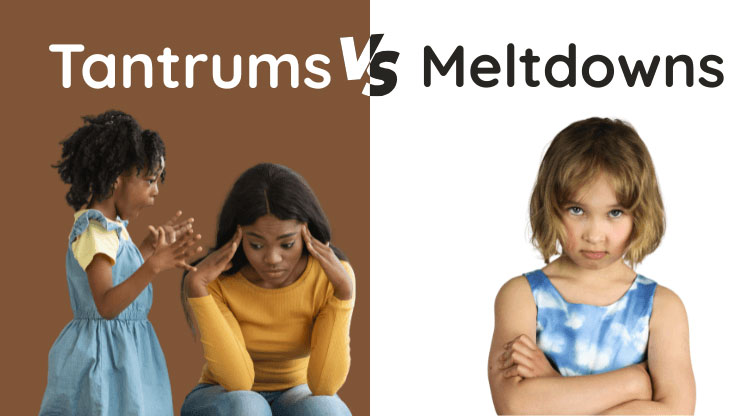
Every parent has seen it: a child on the floor at the shops, crying, kicking and screaming. From the outside, a tantrum and a meltdown can look exactly the same. But they come from very different places – and they need very different responses. Knowing the difference can help you respond with confidence, keep everyone safe and help your child feel understood.
At Reverence Community Care, we recognise that every child has individual strengths, needs and ways of communicating. This information is general in nature and is not a substitute for individual professional assessment.
What Is the Difference?
A simple way to think about it: a tantrum is about wanting something, while a meltdown is about being overwhelmed.
| Tantrum | Meltdown | |
|---|---|---|
| What is happening | Frustration at not getting something, or being asked to stop | The brain and body are overloaded and can no longer cope |
| Level of control | Some control – the child may check whether you are watching | Little or no control – the child cannot simply stop |
| Common triggers | Hearing “no”, waiting, sharing, transitions | Noise, crowds, lights, change, tiredness, sensory overload |
| How it ends | Often stops once the goal is met or the audience leaves | Ends slowly, as the child’s body calms; they may be exhausted afterwards |
| What helps | Calm, consistent boundaries | Reducing demands and sensory input, and staying close and calm |
Many children with autism, ADHD, sensory processing differences or developmental delay experience meltdowns. In NDIS language, frequent or intense meltdowns may be described as behaviours of concern when they put the child or others at risk, or limit the child’s quality of life.
Spotting the Early Warning Signs
Meltdowns rarely come out of nowhere. Many children show signs that they are becoming overwhelmed, such as:
- covering their ears or eyes, or hiding
- pacing, rocking, flapping or other repetitive movements increasing
- becoming very quiet, or much louder than usual
- repeating questions, or getting stuck on one topic
- refusing simple requests they would usually manage
Learning your child’s own early signs is one of the most powerful things you can do. It gives you a window to step in before the meltdown begins.
Tips: How to Respond During a Meltdown
- Keep everyone safe first. Move breakable or dangerous objects, and guide other children away if needed.
- Lower the input. Dim lights, turn off noise and reduce talking. Fewer words help an overloaded brain.
- Stay close and calm. Your calm body language helps your child’s nervous system settle.
- Do not reason or punish in the moment. Your child cannot take in lessons until they feel safe again.
- Offer comfort they like. This might be a weighted blanket, a favourite toy, deep pressure or space – follow your child’s lead.
- Give time to recover. Expect tiredness afterwards, and keep the rest of the day gentle.
Tips: Preventing Meltdowns Day to Day
- Use visual schedules so your child knows what is coming next.
- Give warnings before changes, such as “5 more minutes, then shoes on”, with a timer.
- Plan outings for quieter times and pack calming items (headphones, snacks, a comfort toy).
- Build in regular sensory and movement breaks, especially after kinder or school.
- Keep a simple diary of what happened before each meltdown to spot patterns.
How Positive Behaviour Support Can Help
If meltdowns are frequent, intense or affecting family life, Positive Behaviour Support (PBS) can help. An NDIS behaviour support practitioner can complete a functional behaviour assessment to understand what triggers your child’s meltdowns and what helps. They then work with you to build practical strategies for home, kinder or school, and support everyone around your child to respond consistently. For NDIS participants, this may be funded through specialist behaviour support or other capacity building supports in their NDIS plan.
How Reverence Community Care Can Help
Our Positive Behaviour Support team works alongside families, educators and other therapists to understand each child and build calm, practical strategies that fit everyday life. To talk about behaviour support for your child, contact our team.
Phone: 03 7037 0981 | Email: info@revcare.com.au
Sources & References
- Raising Children Network (Australian Government) – Tantrums and autism meltdowns: https://raisingchildren.net.au/
- NDIS Quality and Safeguards Commission – Behaviour support: https://www.ndiscommission.gov.au/
- Better Health Channel (Victorian Government) – Behaviour and children: https://www.betterhealth.vic.gov.au/
- NDIS – Specialist behaviour support and capacity building supports: https://www.ndis.gov.au/