Introduction
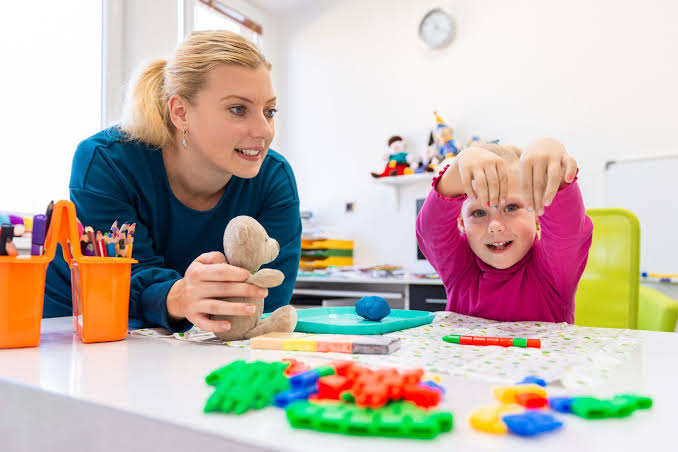
To an adult, play can look like simple fun. But for children, play is their work. Through play, children build the strength, coordination, thinking and social skills they need for everyday life – from getting dressed and holding a pencil to making friends and managing big feelings. That is why play sits at the heart of occupational therapy for children.
At Reverence Community Care, we recognise that every child has individual strengths, needs and ways of learning. This information is general in nature and is not a substitute for individual professional assessment.
Why Play Matters
Play is a child’s most natural way to learn. When a child is having fun, they are motivated, relaxed and willing to try again – the perfect conditions for building new skills. Play helps children to:
- Build physical skills: strength, balance, coordination and the fine motor control needed for everyday tasks.
- Process sensory information: learn how their body moves and how to respond to sounds, touch and movement.
- Develop thinking skills: problem-solving, planning, sequencing and attention.
- Connect with others: take turns, share, communicate and cope when things don’t go their way.
- Regulate emotions: practise calming down, waiting and handling frustration in a safe way.
Everyday Play, Everyday Skills
Simple play at home builds the same skills OTs work on in therapy. Here are some examples:
| Play activity | Skills it builds | Everyday tasks it supports |
|---|---|---|
| Playdough, clay and threading beads | Hand strength, finger control, using both hands together | Holding a pencil, using cutlery, doing up buttons |
| Obstacle courses and climbing | Balance, body awareness, motor planning | Getting dressed, moving safely, playground confidence |
| Puzzles and building blocks | Problem-solving, hand–eye coordination, persistence | Following steps in routines, early learning at kinder or school |
| Board games and turn-taking games | Waiting, turn-taking, coping with losing | Playing with peers, joining in at school |
| Pretend play (shops, cooking, dolls) | Sequencing, imagination, language, social roles | Self-care routines, understanding daily activities |
| Water, sand and messy play | Sensory exploration and tolerance | Bath time, trying new foods, hand washing |
Tips: Getting the Most Out of Play at Home
- Follow your child’s lead. Start with what interests them, then gently add a new challenge.
- Keep it short and fun. Ten minutes of joyful play is better than a long session that feels like work.
- Aim for the “just right” challenge. Not too easy, not too hard – enough that your child succeeds with a little effort.
- Get down to their level. Playing alongside your child builds connection and lets you model new skills.
- Turn routines into play. Race to put socks on, sort the washing by colour or count steps on the way to the car.
- Limit screens and add movement. Active and hands-on play builds skills that screens cannot.
- Celebrate effort. Praise trying, not just finishing, to build confidence and persistence.
When to Seek Support
Every child develops at their own pace, but it can help to speak to a professional if your child:
- avoids play that uses their hands, or tires quickly during physical play
- finds it hard to join in or play alongside other children
- becomes very upset by messy play, noise or movement
- plays in the same way for long periods and finds it hard to try new activities
- seems to be falling behind other children in everyday skills
How an Occupational Therapist Can Help
An occupational therapist uses play with purpose. After getting to know your child, the OT sets goals with your family and designs play-based activities that build the skills your child needs – while keeping therapy fun and motivating. Families are shown how to carry the same ideas into daily life. For NDIS participants, occupational therapy is usually funded through capacity building supports under Improved Daily Living, linked to the goals in your child’s NDIS plan. Families of children younger than 9 with developmental concerns can also ask about the NDIS early childhood approach.
How Reverence Community Care Can Help
Our occupational therapists work with children and families in our clinic, at home, at kinder or school and via telehealth, using play-based therapy that builds independence and confidence. To find out more, contact our team.
Phone: 03 7037 0981 | Email: info@revcare.com.au
Sources & References
- Occupational Therapy Australia – About occupational therapy: https://otaus.com.au/
- Raising Children Network (Australian Government) – Play and child development: https://raisingchildren.net.au/
- Better Health Channel (Victorian Government) – Children and play: https://www.betterhealth.vic.gov.au/
- NDIS – Early childhood approach and therapy supports: https://www.ndis.gov.au/